Upholstery Cleaning in Your Area: Fresh, Healthy, and Longer-Lasting Furniture
Upholstery cleaning in your area is one of the most effective ways to keep your home or business looking fresh, feeling comfortable, and staying healthier over time. Sofas, armchairs, dining chairs, ottomans, and other upholstered pieces collect dust, crumbs, body oils, pet hair, allergens, and everyday stains far faster than many people realize. Because fabric surfaces are used constantly, they need more than occasional spot treatment. They need a careful, professional approach that restores appearance without damaging delicate fibers.
Whether you are dealing with a fabric sofa that has lost its color, a chair that holds unpleasant odors, or a sectional covered in pet dander, upholstery cleaning can make a dramatic difference. It not only improves how furniture looks, but also helps extend the life of the material and create a cleaner indoor environment. For homeowners, tenants, office managers, and hospitality businesses alike, upholstery cleaning in your area is a practical investment with visible results.
Many people wait until stains become obvious before scheduling service, but routine upholstery cleaning offers benefits long before that point. Regular care helps prevent dirt from embedding deep into fibers, reduces buildup that can wear fabric down, and keeps furniture feeling more inviting. If you want your seating to look and smell better while supporting a cleaner home, this is a service worth understanding.
Why Upholstery Cleaning Matters

Upholstered furniture is constantly exposed to traffic, spills, skin contact, and airborne particles. Over time, those contaminants settle into the weave of the fabric and padding beneath it. This buildup can dull colors, trap odors, and create an overall worn appearance even when furniture is still structurally sound. Upholstery cleaning addresses these hidden problems and helps restore the original look and feel of the item.
Another important reason to schedule upholstery cleaning in your area is indoor air quality. Fabric surfaces can hold dust, pollen, pet dander, and other allergens that are later disturbed whenever someone sits down, shifts cushions, or vacuums nearby. A thorough cleaning removes a significant amount of that debris, which can make living spaces more comfortable for people who are sensitive to allergens or dust.
Clean upholstery also affects first impressions. In homes, it helps living rooms and family areas look cared for and inviting. In commercial spaces, it supports a polished and professional appearance. Whether the fabric is plush, woven, microfiber, cotton, or synthetic blend, professional cleaning can revive the texture and color while helping the piece last longer.
What Upholstery Cleaning Involves
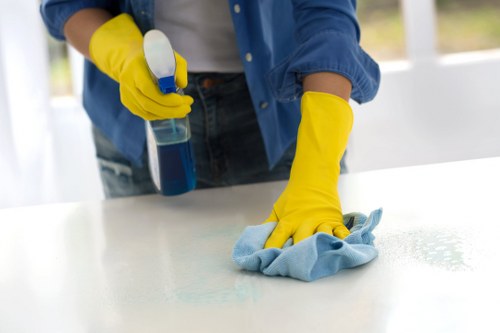
Professional upholstery cleaning is more than a quick vacuum and wipe-down. It typically begins with a fabric assessment to identify the type of material, the condition of the piece, and any risk factors such as dye bleeding, shrinkage, or delicate stitching. This step matters because different fabrics respond differently to water, heat, and cleaning products.
After assessment, the cleaner usually performs a dry soil removal process using vacuuming and specialized tools to lift dust, crumbs, pet hair, and surface debris. This step prepares the fabric for deeper cleaning by removing loose particles that can become mud-like when moisture is introduced. The goal is to avoid pushing dirt deeper into the upholstery.
Next comes the main cleaning method, which may involve hot water extraction, low-moisture cleaning, foam cleaning, or dry cleaning depending on the fabric. Stain treatment may also be applied to problem areas. Finally, the cleaner may groom the fabric, speed drying, and perform a final inspection to ensure the upholstery looks refreshed and evenly cleaned.
Common upholstery cleaning methods
Different pieces require different techniques, and professional upholstery cleaning services choose methods based on fabric type and soil level. Common options include:
- Hot water extraction for durable fabrics that can handle deeper moisture
- Low-moisture encapsulation for faster drying and regular maintenance
- Dry cleaning for delicate fabrics that cannot tolerate water
- Foam cleaning for controlled application on specific upholstery materials
Choosing the right method is essential because improper cleaning can lead to water marks, fading, shrinkage, or rough texture. That is why experienced upholstery cleaners inspect fabric labels and test small areas before beginning the full process.
Benefits of Professional Upholstery Cleaning in Your Area

One of the biggest advantages of professional upholstery cleaning in your area is the visible improvement in appearance. Fabrics that once looked tired or stained can regain much of their original brightness, making the entire room feel cleaner. Even if the upholstery is not heavily soiled, professional treatment often reveals a fresher color and smoother texture.
Another benefit is odor removal. Upholstery can absorb cooking smells, pet odors, smoke, sweat, and moisture-related scents. Regular cleaning helps eliminate the particles causing those odors rather than simply masking them. As a result, rooms feel more pleasant and breathable.
Professional cleaning also supports longer furniture life. Dirt acts like an abrasive, slowly wearing down fibers every time someone sits on the piece. Removing that dirt reduces friction and helps preserve the fabric and padding. In practical terms, that means less fading, fewer worn spots, and better value from your furniture investment.
Health and comfort advantages
Upholstery cleaning may also support a healthier indoor environment. While it is not a medical treatment, it can reduce allergens and dust that otherwise circulate through the home. This is especially helpful in households with pets, children, or individuals who notice symptoms when dust builds up. A cleaner sofa or chair can contribute to a more comfortable living space overall.
Comfort is not only about softness; it is also about freshness. When fabric feels clean and smells neutral, people naturally enjoy using the furniture more. That can make your home more welcoming and your work environment more polished.
Signs Your Upholstery Needs Cleaning
Many people do not notice upholstery problems until stains become obvious, but there are several earlier signs that indicate it is time for professional care. If your furniture looks slightly dull, feels sticky, or has developed a lingering odor, cleaning may be overdue. In some cases, the change is subtle at first, but it becomes more noticeable once a thorough cleaning is completed.
Visible stains are an obvious sign, but not the only one. Darkening on armrests, discoloration on seat cushions, and uneven fading often point to soil buildup. Pet hair woven into the fabric, crumbs in seams, and dust collecting in creases also indicate that the upholstery needs attention. Even furniture that looks clean on the surface may hide substantial buildup deeper in the fibers.
Some other warning signs include increased allergy symptoms when spending time in the room, a musty or stale smell, and fabric that feels rougher than it used to. If you have not scheduled upholstery cleaning in your area for a long time, these symptoms often suggest that a deep cleaning is due.
Quick indicators to watch for
- Stains that do not respond to spot cleaning
- Persistent pet or food odors
- Dust or hair trapped in seams and cushions
- Flattened or dull-looking fabric
- Allergy flare-ups near upholstered furniture
When any of these signs appear, cleaning sooner rather than later is usually the best choice. Waiting too long may allow dirt to settle deeper and make restoration more difficult.
How Upholstery Cleaning Protects Different Fabric Types

Not all upholstery fabrics behave the same way. Cotton, linen, microfiber, polyester, velvet, wool blends, and leather each require tailored care. Professional upholstery cleaning in your area accounts for these differences so the fabric is not damaged during the process. The goal is always to clean effectively while preserving the look, feel, and structure of the material.
For example, microfiber can often handle low-moisture cleaning well, but may show water spots if over-wet. Natural fibers may need careful temperature control to avoid shrinkage. Velvet demands delicate handling to preserve its pile and softness. Leather, while technically different from fabric upholstery, also benefits from specialized cleaning and conditioning to prevent cracking and dryness. A skilled technician understands how to match the method to the material.
This is why DIY methods can be risky. A household cleaner that works on one piece may stain, fade, or distort another. Professional upholstery cleaning reduces that risk by using fabric-safe products and controlled techniques. It also helps protect seams, zippers, cushion fills, and decorative details that are easy to overlook during at-home cleaning.
Fabric-specific considerations
Before any cleaning begins, a careful technician will look for care labels and test an inconspicuous area. They may evaluate whether the fabric is coded for water-based cleaning, solvent-based cleaning, or dry methods only. That extra attention is one reason professional upholstery cleaning in your area can deliver better and safer results than a one-size-fits-all approach.
DIY vs Professional Upholstery Cleaning
Many homeowners try to clean upholstery themselves, especially after a spill or noticeable stain. While light maintenance is helpful, there is a significant difference between surface cleaning and professional upholstery cleaning. DIY efforts often focus on the visible area, but the real problem usually lies deeper in the fabric and padding. That is where professional equipment and experience make a difference.
At-home cleaning products can sometimes help with fresh spills, but they may also leave residue behind. That residue can attract more dirt and create a sticky patch that becomes more noticeable over time. Over-wetting is another common issue. If moisture reaches the inner padding and is not extracted properly, it can lead to odor, mold risk, or fabric distortion.
Professional upholstery cleaners use extraction systems, specialized spotting solutions, and fabric-specific tools designed to remove contaminants more effectively. They can also work around delicate seams, tufting, and trims without creating damage. In many cases, hiring a pro saves time, reduces stress, and provides much better long-term results.
When DIY may be enough
Small, fresh spills on durable fabric can sometimes be handled with quick blotting and mild cleaning. However, if the problem is old, widespread, or unknown, professional upholstery cleaning in your area is the safer and more effective choice. It is especially valuable when you want a deep refresh rather than a surface fix.
What to Expect During a Professional Service
Understanding the process can make it easier to schedule upholstery cleaning with confidence. A typical service begins with a pre-inspection, where the cleaner identifies the fabric type, spots, and general condition. They may ask about past spills, pets, smoking, or heavy use so they can choose the best approach.
After inspection, the furniture is usually vacuumed and pre-treated. This removes dry soil and loosens sticky residue. Problem areas are then treated with stain-specific solutions designed to break down oils, food particles, or other contaminants. The technician may use agitation tools that gently work product into the fabric without damaging it.
The main cleaning step follows, often using controlled moisture and suction to lift dirt from the upholstery. Drying procedures are then used to help the furniture return to service as quickly as possible. Depending on the fabric and conditions, the item may be ready within a few hours or may need more time to dry fully.
Typical service steps
- Inspection and fabric identification
- Dry vacuuming and soil removal
- Pre-treatment of spots and stains
- Main cleaning using the correct method
- Post-clean grooming and drying support
By following a structured process, professional upholstery cleaning delivers consistent results and helps protect the furniture from accidental damage. That consistency is a major reason people return to trusted services whenever their soft furnishings need attention.
How Often Should Upholstery Be Cleaned?
The right cleaning schedule depends on how the furniture is used. A lightly used guest room chair may only need occasional care, while a family sofa in a busy living room will need more frequent attention. Homes with pets, children, or high foot traffic generally need upholstery cleaning more often than quieter spaces.
As a general rule, many upholstered items benefit from professional cleaning every 12 to 24 months. In higher-use environments, every 6 to 12 months may be more appropriate. If you notice stains, odors, or visible buildup before that schedule, it is wise to book service earlier. Waiting is rarely cheaper when neglect leads to deeper soil or damaged fibers.
Regular maintenance between professional visits also helps extend the time between cleanings. Vacuuming cushions, rotating seat pillows, and addressing spills quickly can reduce the amount of embedded dirt. These habits make upholstery cleaning in your area more effective whenever you schedule it.
Factors that affect cleaning frequency
- Number of people using the furniture
- Presence of pets or children
- Type of fabric and color
- Exposure to sunlight, smoke, or cooking odors
- Local dust levels and seasonal allergens
When the environment is active, routine care matters even more. A planned schedule helps keep furniture looking good and avoids the need for emergency stain removal.
Choosing the Right Upholstery Cleaning Service
When selecting a provider for upholstery cleaning in your area, experience matters. A reputable company should be able to explain how it handles different fabrics, what products it uses, and how it addresses stains without making unrealistic promises. Look for clear communication and a process that begins with inspection rather than guesswork.
It is also helpful to choose a service that values customization. Upholstery is not cleaned the same way as carpet, and even two sofas may require different methods depending on the fabric and construction. The best providers take time to understand the item before cleaning it. That attention to detail often leads to better results and less risk.
Another sign of a quality service is a focus on drying, protection, and aftercare. Clean upholstery should not only look better; it should also be treated in a way that helps it stay that way. Some services offer fabric protection treatments after cleaning, which can help resist future stains and make routine maintenance easier.
Questions to ask before booking
- What fabric types do you clean most often?
- Do you test products before full cleaning?
- How do you handle delicate or vintage pieces?
- What drying time should I expect?
- Can you remove odors as well as stains?
Asking these questions helps you feel more confident and ensures the upholstery cleaning service is suited to your needs. Book your service now if your furniture is due for a refresh.
Stain Removal and Odor Control Tips
Stains and odors are among the most common reasons people seek upholstery cleaning. Food spills, pet accidents, drink marks, and oily residue can quickly become stubborn if they are ignored. Prompt action improves the chances of complete removal, but the right method depends on the fabric and the type of substance involved.
For fresh spills, blotting is usually safer than rubbing. Rubbing can spread the stain and damage the fiber surface. Use a clean cloth and work from the outside of the spill inward to keep it from expanding. Avoid over-saturating the area, especially on cushions with thick padding, because too much moisture can cause further issues.
Odor control is similarly important. Cleaning away the source is more effective than covering it with fragrance. Whether the smell comes from pets, smoke, or moisture, professional upholstery cleaning in your area can help remove the particles trapped in the fabric. In many cases, deodorizing treatments may be added after the main cleaning step to provide a fresher result.
Helpful maintenance habits
- Vacuum upholstered furniture weekly
- Address spills immediately with blotting
- Rotate cushions to promote even wear
- Keep pets groomed to reduce hair buildup
- Use fabric-safe protectors when appropriate
These habits do not replace professional upholstery cleaning, but they do help maintain the results longer and keep furniture looking its best between appointments.
Why Upholstery Cleaning Is Worth the Investment
Furniture is a major part of any interior, and upholstered pieces often represent a significant purchase. Protecting that investment makes sense. Upholstery cleaning helps maintain appearance, comfort, and hygiene while reducing the likelihood of premature replacement. In this way, the service can save money over time by extending the useful life of your furniture.
The value also extends to lifestyle. A cleaner couch can make movie nights more pleasant, family gatherings more comfortable, and work-from-home spaces feel more polished. In office and commercial settings, clean seating supports a professional atmosphere and shows attention to detail. That is why so many homeowners and businesses rely on upholstery cleaning in your area as part of their regular upkeep.
If your furniture is looking tired, stained, or less comfortable than it once was, now is the time to act. Contact us today to keep your upholstery fresh, your interiors inviting, and your fabric surfaces in better condition for longer. With the right care, your chairs, sofas, and sectionals can continue to look great and serve your space well.
Book your service now and enjoy the difference that professional upholstery cleaning can make in your home or business.