Stain Removal in Everyday Life: Practical Methods for Cleaner Fabrics, Surfaces, and Carpets
Stain removal is one of those household skills that saves time, money, and frustration. Whether you are dealing with a coffee spill on a shirt, grease on a kitchen counter, ink on upholstery, or wine on a carpet, effective stain removal can make the difference between restoring an item and replacing it. The good news is that most stains can be treated successfully when you understand the material, the stain type, and the right cleaning method.
In this article, we will explore stain removal techniques that are useful for clothing, upholstery, carpets, and hard surfaces. You will learn how different stains behave, which cleaning products work best, and how to avoid common mistakes that can make stains worse. If you want cleaner fabrics, fresher interiors, and fewer permanent marks, mastering stain removal is an essential part of home care.
Stain removal is not only about appearance. It also helps maintain hygiene, extend the life of textiles, and preserve the value of furniture and flooring. By using the right approach from the start, you can often prevent a stain from setting permanently. That is why stain removal should be quick, methodical, and tailored to the material involved.
Why Stain Removal Matters for Homes, Businesses, and Daily Living

Stain removal plays a major role in keeping spaces clean and presentable. In homes, stains on clothing, carpets, sofas, and countertops can make even a tidy room look neglected. In businesses, especially those in hospitality, healthcare, food service, and retail, stain removal is essential for professionalism and customer confidence. A clean environment reflects care, quality, and attention to detail.
From a practical standpoint, fast and proper stain removal prevents permanent damage. Some stains are acidic, some are oily, and others contain pigments that bond quickly to fibers or porous surfaces. The longer a stain sits, the harder it becomes to remove. That is why stain removal is most successful when you act promptly and choose the right method for the material.
Stain removal also supports sustainability. Instead of discarding clothing, carpets, or upholstery after a spill, you can often restore them with targeted cleaning. This reduces waste and helps you get more value from the items you already own. In this way, stain removal is both economical and environmentally sensible.
Understanding the Basics of Stain Removal
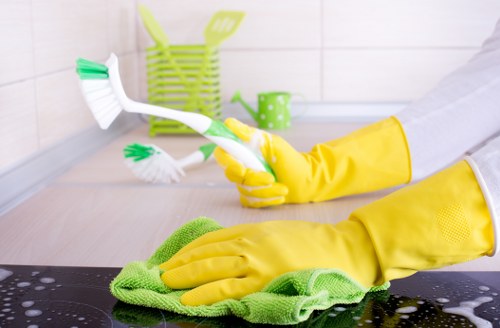
Before you begin stain removal, it helps to understand a simple rule: the stain type and the surface type must guide the cleaning method. A product that works well on cotton may damage wool, silk, hardwood, or painted walls. Likewise, a solution that removes grease may not be effective against tannin stains such as coffee or tea.
Stains usually fall into a few broad categories:
- Protein-based stains such as blood, egg, milk, and sweat
- Oil-based stains such as grease, cooking oil, makeup, and salad dressing
- Tannin stains such as coffee, tea, wine, and fruit juice
- Dye or pigment stains such as ink, markers, paint, and colored beverages
- Organic stains such as mud, grass, and food residue
Knowing the category improves stain removal because it tells you what kind of cleaner is likely to work. For example, enzyme cleaners are often useful for protein stains, while dish soap may help break down oils. A good stain removal approach is always calm, deliberate, and based on the nature of the mess.
Another important principle is testing. Before using any cleaner, especially on delicate fabrics or upholstery, test it on a hidden area. This helps prevent fading, discoloration, or surface damage. Smart stain removal is not about scrubbing aggressively; it is about using the right chemistry and technique.
Stain Removal on Clothing: What Works Best

Clothing stain removal is among the most common household tasks. Shirts, trousers, uniforms, sportswear, and delicate garments all face everyday spills. The key is to treat stains quickly and avoid heat until the stain is completely gone. Heat can set many stains, especially protein, sugar, and dye-based marks.
Here are some effective clothing stain removal steps:
- Blot the stain gently with a clean cloth or paper towel.
- Rinse with cold water if the fabric allows it.
- Apply a stain treatment that matches the stain type.
- Let the cleaner sit for the recommended time.
- Wash according to the garment label.
- Check the stain before drying. If it remains, repeat treatment.
Coffee stain removal often works well with cold water and a mild liquid detergent. For wine stain removal, blotting is crucial, and a suitable stain remover or gentle oxygen-based solution may help. For ink stain removal, rubbing alcohol or a specialized ink treatment can sometimes lift the mark, but always test first.
When it comes to stain removal on delicate fabrics such as silk, wool, or rayon, caution matters. Harsh scrubbing can distort fibers, and strong chemicals can cause permanent damage. If you are unsure, choose a gentler treatment or seek professional help rather than risking the garment.
Stain Removal on Carpets and Rugs

Carpet stain removal requires a different mindset than clothing care because carpets often have padding underneath and are harder to rinse fully. The best strategy is to act immediately, blot rather than rub, and avoid oversaturating the area. Excess liquid can spread the stain or create mildew problems beneath the surface.
For many carpet spills, the following method is effective:
- Blot up as much of the spill as possible.
- Apply a small amount of cleaning solution to the stain.
- Work from the outside toward the center.
- Blot repeatedly with a dry cloth.
- Repeat until the stain fades.
- Rinse lightly if needed and dry thoroughly.
Common carpet stain removal challenges include pet accidents, coffee, wine, mud, and grease. Pet stains need special attention because they can leave odors as well as visible marks. Mud should be allowed to dry before vacuuming or gently brushing away excess material. Grease may respond to a small amount of dish soap mixed with water, but always use sparingly.
Professional stain removal for carpets may be necessary when the stain is old, deep, or large. Deep carpet fibers can trap residue, and repeated unsuccessful attempts can spread the stain. In those cases, a specialized carpet cleaning service can save time and improve results. If the stain is important to remove completely, book your service now before it becomes permanent.
Stain Removal on Upholstery and Furniture
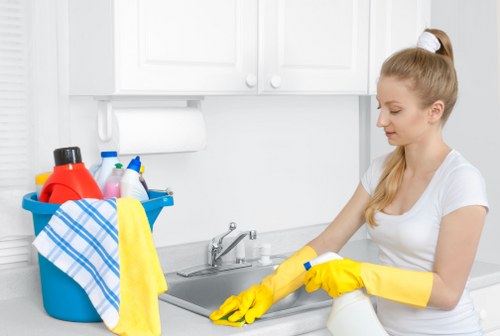
Upholstery stain removal is often more delicate than carpet cleaning because furniture fabrics vary widely. Some are synthetic and durable, while others are sensitive to water and chemical cleaners. Before treating any upholstered item, check the manufacturer’s cleaning code if available. This code can tell you whether the fabric is safe for water-based cleaning, solvent-based cleaning, or professional treatment only.
For upholstered stain removal, use a light touch. Overwetting can lead to water rings, fabric shrinkage, or damage to internal padding. Instead, dab a small amount of cleaner onto a cloth and transfer it to the stain. This method gives you more control and reduces the risk of spreading the mess.
Typical upholstery stains include food, makeup, dust, body oils, and beverage spills. A mild detergent solution may work for many of them, while greasy marks may require a cleaner designed to break down oil. For persistent marks, stain removal products designed specifically for upholstery can be helpful, but always follow the instructions carefully. If the fabric is expensive or antique, professional treatment is often the safest choice.
Stain Removal on Hard Surfaces
Hard surfaces such as countertops, tile, sinks, and sealed floors are often easier to clean, but stain removal still requires care. The main goal is to remove residue without scratching, dulling, or damaging the finish. Different materials behave differently, so the cleaner should match the surface.
Some useful stain removal examples for hard surfaces include:
- Kitchen counters: Use mild soap and water for food stains, followed by a disinfecting wipe if appropriate.
- Tile grout: Use a paste or cleaner designed for grout stains and scrub with a soft brush.
- Wood surfaces: Avoid excess water and use products safe for finished wood.
- Glass and mirrors: Use streak-free cleaner and microfiber cloths for best results.
- Stainless steel: Wipe in the direction of the grain to prevent visible marks.
On hard surfaces, stain removal is often about residue control. Dried spills, mineral deposits, and food marks may need soaking time before wiping. Never use abrasive pads on delicate finishes, and avoid mixing chemicals unless the product directions clearly allow it. In many cases, simple and consistent cleaning is better than aggressive scrubbing.
Natural Stain Removal Methods Versus Commercial Cleaners
Many people prefer natural stain removal methods because they are affordable and easy to find. Common household items such as baking soda, white vinegar, dish soap, and lemon juice can help with certain stains. However, natural does not automatically mean safe for every material, and not every stain responds to home remedies.
Here is a balanced look at both approaches:
- Natural methods can be useful for light stains, fresh spills, and routine maintenance.
- Commercial cleaners may be more effective for stubborn grease, dye stains, and deep-set marks.
- Enzyme cleaners are especially useful for organic stains like food, sweat, and pet accidents.
- Oxygen-based products can help lift color-based stains from washable fabrics.
- Specialty solvents may be needed for ink, adhesive, or paint stains.
When choosing between options, read labels carefully and consider the fabric or surface. The best stain removal method is the one that removes the stain without damaging the item. For many households, keeping both a mild general cleaner and a specialty stain remover on hand is a practical solution.
Stain removal is often most successful when you combine quick action with the right product. A natural cleaner may be enough for one spill, while another may require a stronger formula. Knowing the difference helps you avoid wasted effort and protects your belongings.
Common Stain Types and How to Approach Them
Different stains respond to different treatments, so a tailored approach is essential. Below are some of the most common stain removal situations and the general direction to take.
Coffee and Tea Stains
These tannin stains can leave visible brown marks on clothing, upholstery, and carpets. Blot immediately and use a mild detergent or a stain remover that targets tannins. Avoid hot water initially, as it can sometimes make the stain harder to remove.
Wine Stains
Wine stain removal works best when the spill is fresh. Blot the liquid, apply cold water carefully, and use a suitable stain treatment. For carpets or upholstery, use only a small amount of cleaner to prevent spreading.
Grease and Oil Stains
Grease stain removal often begins with a degreasing agent, such as dish soap. The goal is to break down the oily residue so it can be lifted from the surface or fibers. This is especially important for cooking spills, makeup, and automotive residue.
Ink Stains
Ink stain removal can be tricky because ink is designed to bond and dry quickly. Alcohol-based solutions, stain pens, or dedicated ink removers may help. Always test first and blot rather than rub.
Blood and Other Protein Stains
Protein-based stain removal should usually begin with cold water. Hot water can cook the protein into the fabric, making the stain harder to remove. Enzyme cleaners can be especially effective here.
What Not to Do During Stain Removal
Even with the right supplies, bad technique can make stain removal less effective. Avoid these common mistakes if you want better results and less risk of damage.
- Do not rub aggressively. Rubbing spreads the stain and can damage fibers.
- Do not use heat too early. Dryers, irons, and hot water can set stains permanently.
- Do not mix cleaning chemicals. Some combinations are unsafe and may create toxic fumes.
- Do not soak delicate materials. Silk, wool, and certain upholstery fabrics can be harmed by excess moisture.
- Do not wait too long. Fresh stains are always easier to remove than old ones.
Effective stain removal depends on patience and accuracy. If you are unsure about a cleaner, look at the label, test it in a hidden area, and start with the gentlest method that could work. This approach reduces the chance of damage while improving the likelihood of success.
In many cases, a careful second attempt works better than an aggressive first attempt. Stain removal is a process, not a race, and the best results often come from controlled, repeatable steps.
Building a Smart Stain Removal Routine
A practical stain removal routine can make cleaning much easier. Instead of waiting for a spill to happen and then scrambling for supplies, prepare a small stain care kit. Keep items such as microfiber cloths, a soft brush, mild detergent, stain remover, and white towels in one place. This saves time and helps you act fast.
A well-organized stain removal plan may include:
- Identify the stain and the surface.
- Check any care labels or cleaning codes.
- Blot up excess material immediately.
- Choose the least aggressive effective cleaner.
- Test before applying widely.
- Repeat gently if needed.
- Dry thoroughly and inspect the result.
For busy households, stain removal becomes much easier when everyone knows the basics. Children and guests may not follow the same careful approach, so having a simple household routine can prevent accidents from becoming permanent problems. A little preparation goes a long way in preserving clothes, furniture, and flooring.
When to Choose Professional Stain Removal
Not every stain can or should be handled at home. Sometimes the safest and most effective option is professional stain removal. This is especially true for expensive garments, delicate fabrics, antique upholstery, deep carpet stains, or heavily soiled areas that have already been treated unsuccessfully.
Professional stain removal services may be the right choice when:
- The stain is old or deeply set.
- The material is delicate or high value.
- The item has already been damaged by previous cleaning attempts.
- The stain covers a large area.
- There is odor, discoloration, or hidden residue.
Professionals often have access to stronger equipment, targeted cleaning agents, and more experience with difficult stain types. That can save you time and reduce the risk of further damage. If your stain is important, stubborn, or costly to repair, contact us today to explore the safest way forward. In some situations, it is simply smarter to book your service now and let experienced cleaners handle the problem.
SEO-Friendly Stain Removal Tips for Better Long-Term Results
From an everyday perspective, stain removal is about practicality. From a search perspective, people often look for specific solutions such as carpet stain removal, upholstery stain removal, stain removal for clothes, ink stain removal, and wine stain removal. That is why it helps to think in terms of both general methods and specific stain types.
To improve your success rate over time, focus on these long-term habits:
- Act quickly when spills happen.
- Keep the right supplies ready at home.
- Match the cleaner to the stain and surface.
- Use gentle blotting instead of harsh rubbing.
- Avoid heat until you are sure the stain is gone.
- Call in professionals for difficult or valuable items.
These habits improve the effectiveness of stain removal while protecting your belongings. They also help build confidence, because you will know exactly what to do when the next spill appears. Whether you are managing laundry, maintaining a living room, or refreshing a workspace, good stain removal practices create a cleaner, more polished environment.
Ultimately, stain removal is a skill that rewards attention and consistency. The more you understand about stain behavior, the more successful you will be at restoring fabrics and surfaces. With the right methods, a spill does not have to become a permanent problem.
Final Thoughts on Stain Removal
Stain removal is simple in principle but powerful in practice. By identifying the stain, choosing the right cleaner, and treating the area with care, you can improve results dramatically. From clothing and carpets to upholstery and hard surfaces, the same core idea applies: act fast, work gently, and use the correct method for the material.
Take the Next Step
If you are facing stubborn marks or want professional help with difficult stains, contact us today to learn more about your options. When the stain matters, the right treatment matters even more. For deeper cleaning needs, book your service now and restore your space with confidence.