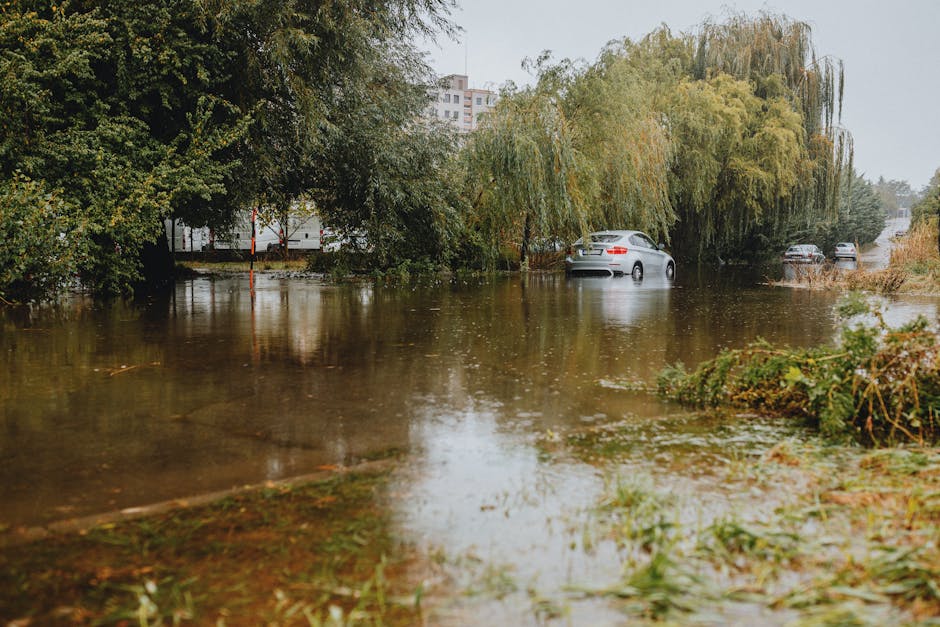
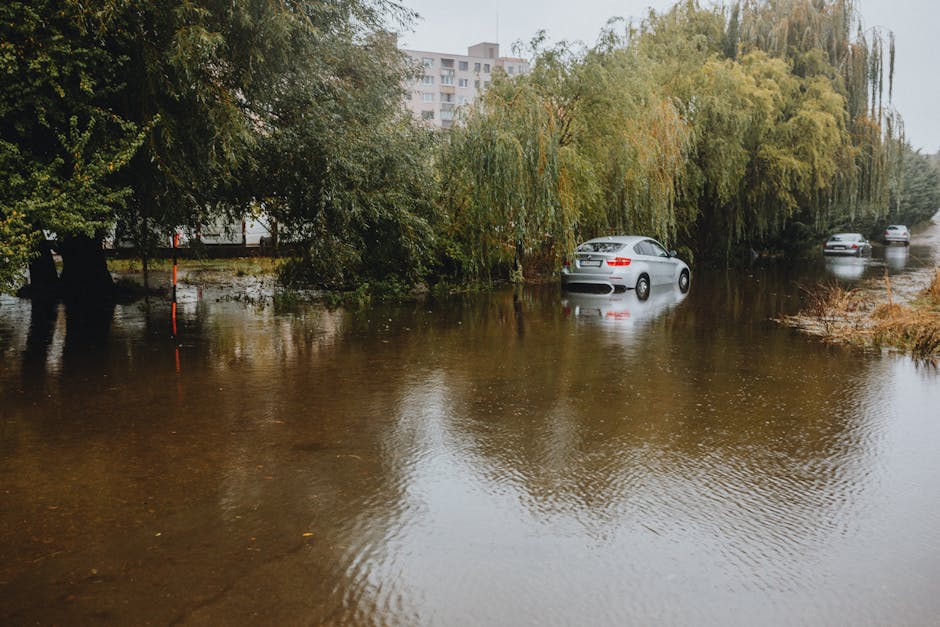
What to know about emergency flood cleaning Docklands
When water gets into a flat, office, or shop in Docklands, the first few hours matter more than most people realise. A burst pipe, a leaking appliance, a storm overflow, or a neighbour's accident can turn a normal day into a scramble of towels, wet carpets, damaged skirting, and that awful damp smell that creeps in fast. If you are looking for What to know about emergency flood cleaning Docklands, the short version is this: act quickly, stay safe, and focus on proper drying and cleaning before mould, odour, and hidden damage take hold.
This guide explains what emergency flood cleaning actually involves, how the process works, who needs it, what to avoid, and how to judge whether a job is likely to be straightforward or more complicated. You will also find a practical checklist, a comparison table, and a few realistic examples from the kind of situations people face in Docklands all the time. Truth be told, flood damage is stressful; the aim here is to make the next steps feel a lot less foggy.
Table of Contents
- Why emergency flood cleaning matters in Docklands
- How emergency flood cleaning works
- Key benefits and practical advantages
- Who this is for and when it makes sense
- Step-by-step guidance
- Expert tips for better results
- Common mistakes to avoid
- Tools, resources and recommendations
- Law, compliance, standards, and best practice
- Options, methods, and comparison table
- Case study or real-world example
- Practical checklist
- Conclusion
- Frequently asked questions
Why emergency flood cleaning matters in Docklands
Docklands properties often include modern apartments, high-rise blocks, commercial units, basement spaces, and mixed-use buildings. That mix changes the risk profile. Water can spread through underlay, acoustic layers, partitions, and shared voids more easily than people expect. One wet hallway can become several affected rooms if it is left too long. And because many homes and businesses in the area rely on carpets, rugs, upholstered furniture, and fitted finishes, flood water does not just sit on the surface. It gets absorbed.
Emergency flood cleaning matters because it is not only about removing visible water. It is about reducing secondary damage: swollen boards, staining, odour, microbial growth, ruined soft furnishings, and that slow, creeping issue of dampness that seems fine at first and then suddenly isn't. You may walk in the next morning and notice a heavy smell, a cold patch underfoot, or a carpet that feels damp in the middle even though the edges have dried. That is the sort of thing that gets expensive if ignored.
In busy Docklands settings, speed also matters for neighbours, landlords, tenants, and businesses. A flooded reception area, for example, can affect access, health and safety, and customer confidence straight away. For that reason, many people prefer to choose a specialist service that can assess the damage properly, use industrial drying equipment, and clean affected soft surfaces with the right method rather than just a shop vac and crossed fingers.
Expert summary: the best flood response is usually not the loudest or the quickest-looking one. It is the one that removes moisture safely, documents damage clearly, and prevents a small incident from becoming a longer, messier repair job.
If you are comparing providers, it can also help to understand how a company handles safety, insurance, and complaints. Those details are not glamorous, no, but they matter. A little reading of pages like the insurance and safety information and the health and safety policy can give you a better sense of how seriously they treat the work.
How emergency flood cleaning works
Emergency flood cleaning usually follows a practical sequence rather than one single "cleaning" step. The order matters. If you clean first and dry later, you can trap moisture. If you dry too slowly, odour and mould risk increase. So the process typically starts with assessment, then water removal, then targeted cleaning, and finally drying and monitoring.
1) Initial assessment
The first job is to identify the source of the water and check whether it is clean, grey, or contaminated. Clean water from a burst pipe is different from water that has come from a toilet overflow or drain issue. The source affects what can be salvaged, what needs specialist treatment, and what should be removed immediately. This is one of those areas where a calm, methodical approach pays off. A rushed response can be worse than a slightly slower one.
2) Safety checks
Before any extraction starts, the area should be checked for electrical hazards, slippery surfaces, weakened flooring, and contaminated materials. In real life, flood water may hide damaged sockets, unstable rugs, or heavy furniture that needs moving. If electricity is involved, stop and get the right help. Better safe than sorry, even if it feels annoying in the moment.
3) Water extraction and moisture control
Next comes removing standing water and reducing moisture from carpets, underlay, upholstery, and hard floors. Professional equipment can pull a lot more water out than household tools. That matters because the visible puddle is often only part of the problem. Under carpets, in seams, and along edges, water can linger.
4) Cleaning and sanitising affected surfaces
Once the excess water is under control, the affected surfaces are cleaned. This may involve hot water extraction, spot treatment, disinfectant where appropriate, and removal of contaminated residue. If the flood has affected soft furnishings, a broader approach may be needed. For example, some situations call for carpet cleaning, while others also involve upholstery cleaning or rug cleaning to deal with water marks and lingering smells.
5) Drying and monitoring
Drying is where the real difference is made. Air movement, dehumidification, and time all play a role. Depending on the material and how long it has been wet, you may need repeat checks rather than one visit. A room can feel "mostly dry" to the touch and still hold enough moisture in the backing or subfloor to cause trouble later. That's the sneaky part.
Key benefits and practical advantages
Emergency flood cleaning is about more than making a room look presentable again. Done well, it reduces overall loss, helps you get back into the space sooner, and lowers the chance of hidden damage showing up weeks later. That is the real win.
- Reduces long-term structural damage: faster moisture removal helps protect floors, skirting, and subfloors.
- Limits odours and staining: water marks and smells become harder to remove the longer they sit.
- Improves indoor air quality: damp conditions can quickly become unpleasant and unhealthy.
- Protects soft furnishings: carpets, sofas, curtains, and upholstery may be salvageable with prompt treatment.
- Saves time and stress: a structured response means fewer repeat problems later.
- Supports business continuity: for commercial spaces, getting operational again matters fast.
There is also a practical financial benefit. Emergency flood response can be expensive, but delayed response is often more expensive. Replacing a carpet may cost more than drying and cleaning it. Replacing the carpet plus underlay plus repairs to the floor beneath? That is the kind of bill nobody wants to see.
If the flood has affected an office, retail unit, or shared building area, commercial-grade treatment may be needed. In those cases, it can be sensible to look at commercial carpet cleaning because the materials, access patterns, and cleaning expectations can differ from a typical flat or house.
Who this is for and when it makes sense
Emergency flood cleaning is relevant to homeowners, tenants, landlords, facilities managers, letting agents, and business owners. In Docklands, that often means a lot of apartment dwellers and commercial occupiers dealing with sudden water issues in shared buildings or tight urban spaces.
You probably need this service if:
- water has pooled on carpets, rugs, or hard flooring
- a pipe, appliance, or radiator has leaked
- storm water or external water has entered a property
- there is a persistent damp smell after an incident
- you can see staining or colour change on soft furnishings
- the floor feels soft, warped, or unusually cold and damp
- you need the area made safe for occupants, staff, or visitors
It also makes sense if you are unsure how contaminated the water is. That uncertainty alone is a reason to act early. If you are dealing with a likely contamination issue, a more careful cleaning and disposal approach may be required, and this is not the moment for guesswork. Let's face it, nobody wants to stand around wondering whether the water was "just rain" or something worse.
For some homes, flood water also affects nearby items like curtains, mattresses, sofas, and wall-to-wall fabrics. In those situations, the right mix of services can matter more than one generic clean. You may need curtain cleaning, mattress cleaning, or sofa cleaning alongside floor treatment. That is where a tailored approach beats a one-size-fits-all answer.
Step-by-step guidance
If flood water enters your property, here is the sensible order of operations.
- Make the area safe. Keep people and pets away from wet floors, power points, and unstable items.
- Stop the source if you can do so safely. Shut off water where appropriate and only if you know how.
- Document the damage. Take clear photos before moving too much around. It helps with claims, landlord reporting, and record keeping.
- Remove valuables and dryable items. Lift cushions, rugs, small furniture, papers, and electronics if they can be moved safely.
- Contact a specialist. The earlier you arrange assessment, the better the chance of saving materials.
- Begin extraction and ventilation. Use professional equipment where needed. Open windows only if it helps and does not worsen external humidity or security risks.
- Separate salvageable from unsalvageable items. Wet textiles that sit too long can spread odour and contamination.
- Monitor drying. Check for hidden dampness in corners, edges, under furniture, and beneath floor coverings.
- Follow up on stains or odour. Spot treatment may be required even after the room looks dry.
A small but useful detail: do not assume a visibly dry carpet is fully safe to walk on with shoes, especially if the underlay is still damp. That is how the problem gets sealed back in. A bit dramatic, perhaps, but true.
If you want to understand pricing before you commit, a transparent pricing and quotes page is often helpful for setting expectations. And if payment security matters to you, as it should, review the provider's payment and security information too.
Expert tips for better results
A few field-tested habits can make a real difference in flood recovery. Nothing fancy. Just sensible practice.
- Act before the smell arrives. Once that sour damp odour appears, moisture has usually been sitting around long enough to spread.
- Lift items off the floor quickly. Even a few centimetres helps prevent staining and wicking from wet carpets into furniture legs.
- Do not over-wet the area during DIY cleaning. People sometimes add water while trying to fix a water problem. Bit ironic, that.
- Focus on edges and hidden zones. The perimeter of a room often dries last.
- Ask how drying will be checked. Reputable cleaning is measured, not guessed.
- Keep records. Photos, timestamps, and notes help if a landlord, insurer, or building manager needs them later.
- Choose the right method for the material. Steam cleaning, hot water extraction, and stain treatment are useful tools, but they are not interchangeable for every surface.
Another practical point: if the flood has left a stubborn mark or a line where water sat, targeted stain removal may be needed after the main drying stage. Flooding often leaves behind mineral traces or dirty tide marks, not just plain dampness.
And if pet access is a concern after the cleanup, especially in homes where animals tracked wet debris around, it may also be worth looking at pet stain and odour removal as part of the finishing stage. Pets love to be helpful, of course. Usually in the least helpful way possible.
Common mistakes to avoid
Most flood cleanups go better when people avoid a few predictable missteps.
- Waiting too long. The biggest mistake is often delay. The longer water sits, the more it spreads.
- Using the wrong cleaning method. Not every wet surface should be scrubbed the same way.
- Ignoring underlay or subfloor moisture. Surface-dry is not the same as properly dry.
- Moving furniture back too soon. Heavy items can trap moisture and leave permanent marks.
- Assuming all water damage is visible. Some of the worst problems stay hidden for days.
- Mixing DIY efforts with professional work without a plan. A little help is useful; half-finished interventions can complicate the job.
- Forgetting to check curtains, sofas, or rugs. Water often climbs or splashes further than expected.
In apartment buildings around Docklands, another common issue is assuming the building manager or neighbour will take care of everything. Sometimes they will help, sometimes they won't, but your own space still needs a prompt response. It is better to be proactive and slightly annoying than polite and damp, honestly.
Tools, resources and recommendations
You do not need to buy a warehouse full of equipment to handle flood damage, but a few items are useful while waiting for help or preparing the area:
- mop, towels, and absorbent cloths
- plastic bags for damp soft items
- a phone or camera for photos
- good ventilation where safe and appropriate
- dehumidifier if you already have one and know how to use it properly
- labels or notes for separating wet, dry, and contaminated items
For a professional clean, the right tools usually include extraction machines, air movers, moisture monitoring equipment, and treatments suited to the affected material. If carpets are heavily impacted, a specialist may use a targeted process similar to steam carpet cleaning, but only where that method is appropriate for the fibres and moisture condition. Again, the right tool depends on the job.
If you are comparing providers, it is also sensible to learn a little about the company itself. Pages such as about us and insurance and safety can help you judge whether they seem organised, transparent, and genuinely prepared for messy real-world work. That calm feeling matters when the hallway is wet and the clock is ticking.
Law, compliance, standards, and best practice
Flood cleaning can overlap with safety, property management, landlord duties, and insurance processes, so it is worth handling carefully. While the exact legal position depends on the property type and the source of the flooding, a few best-practice principles are widely sensible in the UK.
First, health and safety should not be treated as an afterthought. Slips, electrical risk, and poor handling of contaminated water are all avoidable problems if the area is controlled properly. Second, landlords, tenants, and managing agents may each have different responsibilities for reporting, access, and repair coordination. Third, if there is any insurance claim involved, clear documentation from the start helps. Simple photos and time notes can save a lot of back-and-forth later.
Businesses also need to think about visitor and staff safety. Wet floors in shared entrances, corridors, or workspaces are not just inconvenient; they create avoidable risk. A prompt response aligned with the provider's own health and safety procedures is the right way to go.
If you are selecting a company, look for practical signs of good practice: clear communication, sensible time estimates, safety awareness, and honest limitations. A decent operator should explain what can be cleaned, what may need replacement, and what will need more drying time. They should not promise magic. No one should.
For broader service expectations and dispute handling, pages such as the complaints procedure and terms and conditions can also be useful to review before any work begins. It is not thrilling reading, but it is the kind of detail that keeps everyone on the same page.
Options, methods, and comparison table
Different flood situations call for different approaches. Here is a simple comparison to help you understand the broad options.
| Method | Best for | Advantages | Limitations |
|---|---|---|---|
| DIY towel and fan drying | Very small spills or minimal water ingress | Quick, low-cost, immediate | Often not enough for underlay, padding, or hidden moisture |
| Professional extraction | Wet carpets, rugs, and floor areas after a leak or flood | Removes more water, reduces risk, faster recovery | May still need drying time and follow-up |
| Targeted cleaning and sanitising | Contaminated or dirty water events | Helps manage odour, residue, and hygiene concerns | Depends on material condition and water source |
| Full replacement | Severely damaged carpets, underlay, or furnishings | May be necessary if materials cannot be salvaged | More disruptive and usually more expensive |
For many Docklands properties, the best outcome sits between extremes. Some carpets can be saved with proper cleaning and drying. Some can't. The smart part is identifying which is which early, not after a week of "maybe it will dry on its own".
In some cases, specialist fabric care matters as much as floor treatment. If the flood has reached decorative textiles, curtain cleaning and upholstery cleaning may preserve items that would otherwise absorb odour and moisture for ages.
Case study or real-world example
Here is a realistic example from the sort of callouts people often deal with in Docklands.
A tenant arrives home late in the evening and finds a small kitchen leak has travelled into the nearby lounge, leaving the carpet damp in one corner and a damp smell by morning. At first glance, the water looks limited. But after lifting a rug, they notice the carpet backing is wetter than expected and the underlay has started to hold moisture. A quick towel job would not have solved it.
The sensible response is to isolate the area, remove the rug, document the damage, and arrange professional help for extraction and drying. During the visit, the cleaner checks the carpet edges, the furniture feet, and the nearby soft furnishings. A stain line along the wall is treated separately. The room does not need dramatic reconstruction, but it does need proper attention.
What made the difference? Timing, mostly. The leak was caught before the carpet sat wet for days. The rest was ordinary good practice: extraction, airflow, drying checks, and a little patience. Not glamorous. Effective, though.
That sort of case is common enough, and it shows why flood cleaning is as much about judgement as equipment. If you want to reduce the chance of repeat damage, ask for a structured plan, not just a quick clean-and-go visit. Practical matters here.
Practical checklist
Use this checklist if you are dealing with flood damage in Docklands.
- Turn off the water source if safe to do so
- Keep people and pets away from wet or slippery areas
- Switch off electricity only where appropriate and safe
- Photograph the damage before moving items
- Lift rugs, cushions, and portable belongings
- Check for contaminated water or strong odours
- Contact a specialist promptly
- Ask how drying will be monitored
- Confirm whether carpets, upholstery, or curtains can be salvaged
- Do not move heavy furniture back until the area is fully dry
- Keep notes for insurance, landlord, or building management
- Watch for lingering damp patches over the next few days
If you are still unsure whether the damage is minor or more serious, that is usually a sign to err on the side of caution. Water tends to travel further than the eye expects, especially in modern buildings with layered flooring and concealed voids. A little caution now can save a lot of trouble later.
Conclusion
What to know about emergency flood cleaning Docklands comes down to three things: move quickly, stay safe, and make sure the drying is done properly. Flood water may look straightforward at first, but the real challenge is what happens underneath carpets, behind furniture, and inside damp materials that have not fully recovered yet. That is where expertise matters.
If you are dealing with a leak, overflow, or sudden water ingress, do not wait for the smell to tell you it has become a bigger problem. Get the area assessed, protect anything salvageable, and choose a process that focuses on extraction, hygiene, and proper drying rather than cosmetic cleanup alone. In a place like Docklands, where homes and businesses are often busy and tightly packed, speed plus care is a very good combination.
Get a free quote today and see how much you can save.
And if the day has already gone sideways, that is okay. The right response can still turn a stressful mess into a manageable repair, one step at a time.
Frequently Asked Questions
What should I do first after a flood in my Docklands property?
Make the area safe, stop the water source if you can do so safely, take photos, and begin removing valuables from the wet area. Then arrange professional assessment as soon as possible.
Can flood-damaged carpets be saved?
Sometimes, yes. If the water was addressed quickly and the carpet and underlay have not suffered severe contamination or long saturation, professional extraction and drying may save them.
How long does emergency flood cleaning usually take?
It depends on the amount of water, the materials involved, and how much hidden moisture is present. The cleaning itself may be relatively quick, but drying and monitoring can take longer.
Is flood water always dangerous?
Not always, but you should treat it cautiously. Water from a clean source is different from water that may contain contaminants, and it is not always easy to tell at a glance.
Do I need professional help for a small leak?
If the leak only affected a tiny surface area, DIY drying may be enough. But if carpets, underlay, furniture, or wall edges are involved, professional help is usually the safer option.
What signs suggest hidden damp after a flood?
Persistent smell, cool damp patches, a carpet that feels springy or heavy, discoloration, and warped skirting or flooring are all common warning signs.
Can upholstery and curtains be cleaned after water damage?
Often they can, depending on the fabric and how dirty the water was. Soft furnishings should be assessed quickly because they absorb moisture and odour easily.
How do I know if I need stain removal after flooding?
If you can see tide marks, mineral residue, or dirty water lines after drying, targeted stain removal may help restore the appearance of the fabric or carpet.
Will emergency flood cleaning help with smell?
Yes, if the process includes proper moisture removal, cleaning, and drying. Odour usually comes from trapped dampness, so the source has to be dealt with first.
Should I move furniture back straight after the room looks dry?
No. It is better to wait until the area is fully dry, including under carpets and around furniture legs. Moving things back too soon can trap moisture and cause more damage.
What should I ask a flood cleaning provider before booking?
Ask how they assess contamination, what equipment they use, how they monitor drying, whether they can handle carpets and soft furnishings, and how they handle safety and complaints.
Is emergency flood cleaning different from standard carpet cleaning?
Yes. Standard carpet cleaning focuses on appearance and hygiene, while emergency flood cleaning also deals with moisture extraction, contamination risk, and preventing long-term damage.